If you’ve ever felt a knot in your stomach when a planner asks you to fill every hour, you’re not alone. Rigid schedules can create pressure that leads to procrastination or burnout. The good news is that planning doesn’t have to be an all-or-nothing exercise. By adopting a few low-pressure planning habits, you can keep a sense of direction while staying flexible enough to enjoy the day’s natural flow.
This article is part of our flexible planning series. For the full overview, see our guide to building a a flexible planning system.
Contents
- Why strict schedules feel overwhelming
- Habit 1: The flexible daily top three list
- Habit 2: Time-boxed focus windows instead of fixed blocks
- Habit 3: The weekly theme approach
- How to combine the habits for a gentle routine
- Quick start checklist
- FAQ
Why strict schedules feel overwhelming
Strict schedules often feel like a set of rules you must obey, leaving little room for the inevitable twists of daily life. When a plan is too detailed, any deviation can feel like a failure, which fuels anxiety and makes you more likely to abandon the system altogether.
Many people experience this tension when they try to allocate every minute. The mental load of constantly checking the clock can sap energy that would otherwise be used for creative or restorative activities. A softer approach respects the fact that you have fluctuating energy levels, unexpected meetings, or simply a desire to pause and breathe.
By recognising that rigidity is often the root of the overwhelm, you can start to look for structure that supports rather than restricts. That shift is the foundation of flexible planning.
Habit 1: The flexible daily top three list
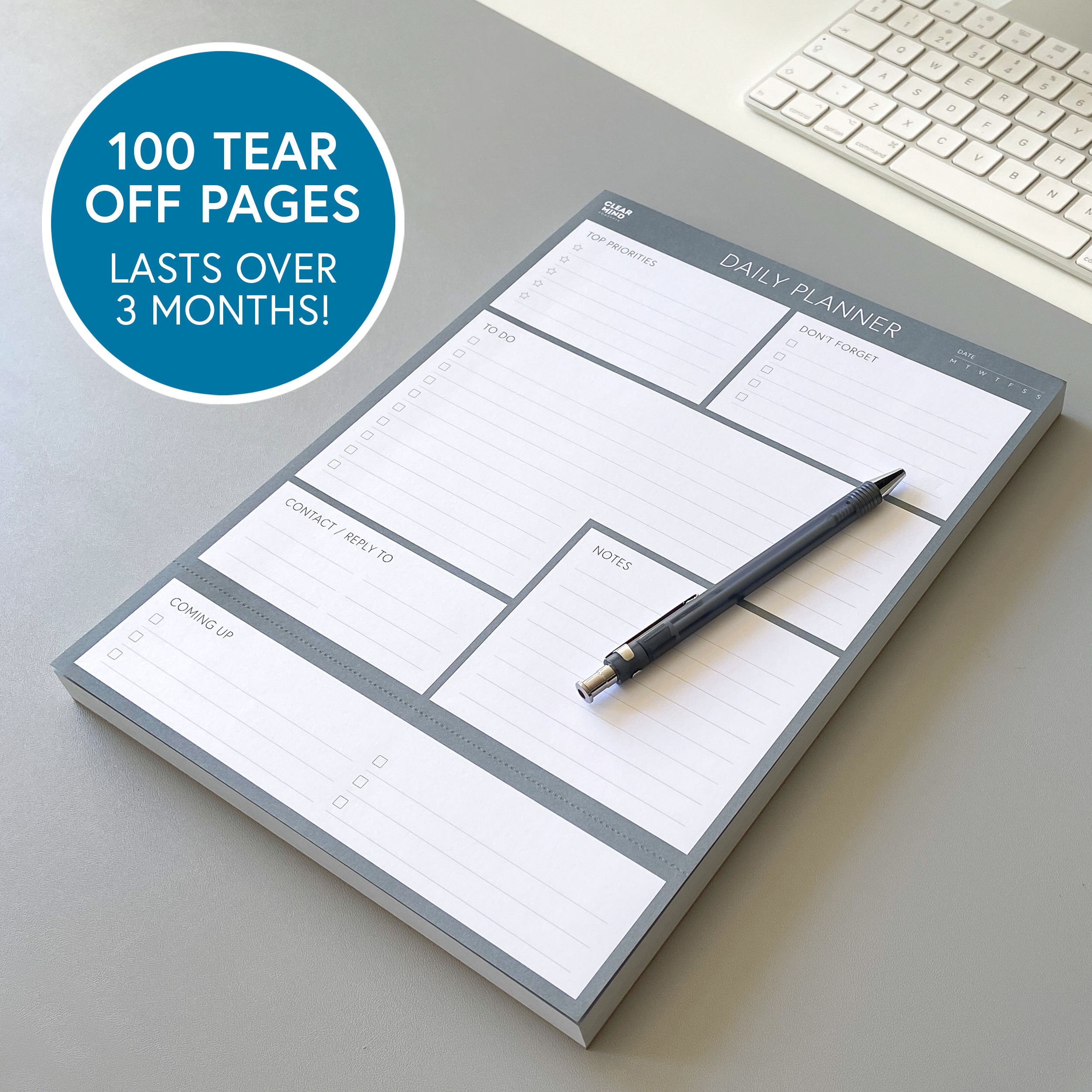
The daily top three list is a simple way to highlight what matters most without turning your day into a checklist marathon. Instead of writing ten tasks, pick the three items that would give you the biggest sense of progress if completed.
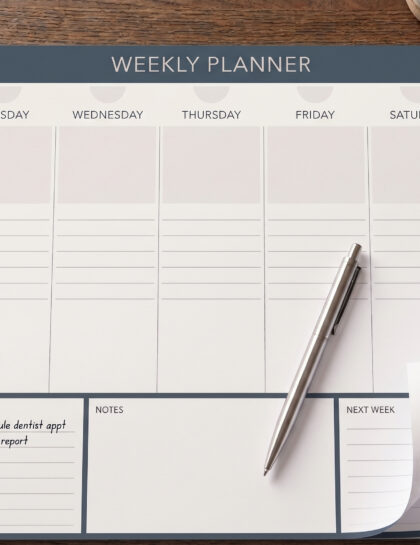
Because the list is short, you can move it around as needed. If a meeting runs long, you simply shift one of the three items to later in the day or to tomorrow. The key is that the list stays visible, on a sticky note, a small notebook, or a weekly planner page, so you always know your priorities.
- Write the three tasks in the morning.
- Check them off when done; if you can’t finish, move the unfinished item to the next day’s list.
- Count any progress as a win, even if the day changes shape.
Micro-example: You wake up and note that you need to reply to two emails, water the plants, and prep dinner. You choose the two emails and dinner prep as your top three. The plants can wait until later, reducing pressure while still moving forward.
Habit 2: Time-boxed focus windows instead of fixed blocks
Focus windows give you a clear start and end time for a burst of concentration, but they don’t lock you into a rigid block that must be filled perfectly. You decide, for example, to work in a 45-minute window on a specific task, then allow yourself a short break before deciding what to do next.
This method respects natural attention cycles. If you feel energised after the first window, you can start another. If you’re drained, you can switch to a lighter activity like admin, a quick reset, or a short walk. The structure remains, but the day stays fluid.
- Pick a timer length that feels comfortable, such as 15, 30, or 45 minutes.
- Choose one task (or a small set of related tasks) for the window.
- When the timer ends, pause, assess how you feel, and decide the next step.
Micro-example: You set a 30-minute focus window to draft a short blog paragraph. The timer rings, you feel good, and you take a five-minute walk before starting another window for editing. You make progress without a strict schedule dictating every hour.
Habit 3: The weekly theme approach
Instead of planning each day in isolation, a weekly theme gives you a broad focus area for the entire week, such as “creative writing”, “home organisation”, or “learning a new skill”. This approach reduces the number of daily decisions because the theme provides a guiding lens.
When a new task appears, you can ask, “Does this fit my weekly theme?” If yes, you slot it into your day. If not, you defer it to a more appropriate week. The theme creates a gentle rhythm without the pressure of ticking off a long list.
- Choose a theme that aligns with a current goal or interest.
- Write the theme at the top of a weekly planner or a simple notebook page.
- Each day, pick one or two actions that support the theme.
Micro-example: Your theme for the week is “digital declutter”. On Monday you sort your desktop files. On Wednesday you unsubscribe from unwanted newsletters. On Friday you organise your photo library. The theme keeps you oriented while allowing flexibility in how you meet it.
How to combine the habits for a gentle routine
Each habit works well on its own, but together they form a balanced routine that feels supportive rather than forced. Start your morning by writing a daily top three list, then choose a focus window that aligns with one of those items. Throughout the day, let the weekly theme act as a quiet compass, helping you decide whether new tasks belong in today’s list or should be saved for later.
Because the top three list is short, you can refresh it after each focus window. The weekly theme prevents you from drifting into unrelated tasks, while focus windows give you enough structure to move forward without a rigid timetable.
Here’s a simple flow you might try:
- Morning: Write your top three and note your weekly theme.
- First focus window: Tackle the highest priority item.
- After the window: Update the top three based on what changed.
- Throughout the day: When a new task pops up, check whether it fits the theme before adding it.
This combination creates a low-pressure planning rhythm that adapts to your energy, commitments, and unexpected events, while still keeping you moving in the right direction.
Quick start checklist
Use this short checklist to begin the three habits with confidence. The steps are designed to be simple, repeatable, and easy to adjust.
- Choose a weekly theme that feels useful or motivating.
- Grab a small notebook or sticky note for your daily top three.
- Set a timer for a 30-minute focus window.
- In the morning, write your top three and note the theme.
- Start your first focus window on the top priority task.
- When the timer ends, pause, acknowledge progress, and update the top three if needed.
- Repeat focus windows as required, checking back with the weekly theme.
That’s it. No complex system, no endless categories. Just a gentle structure that you can adjust as the week unfolds.
Key takeaways
- Low-pressure planning habits reduce overwhelm while still supporting consistent progress.
- A daily top three list keeps priorities clear without demanding a full schedule.
- Time-boxed focus windows provide structure while allowing the day to stay fluid.
- Weekly themes offer direction and help you choose what to focus on next.
- Combining the habits creates a flexible routine that adapts to real life.
FAQ
Can I use these habits if I have a full-time job and a family?
Yes. The habits are designed to be low pressure. You can write a three-item list during your morning coffee, use short focus windows when you have a gap, and let a weekly theme guide both work and home tasks. Flexibility means you can adjust on the fly without feeling like you’re breaking a rule.
What if I forget to write my daily top three?
Missing a step is normal. Simply write the list whenever you remember, mid-morning, after lunch, or before you wind down. The list is a tool, not a rule, so creating it later still helps you refocus.
Do I need special tools or apps to practice these habits?
No special software is required. A plain notebook, a sticky note, and a basic timer work well. If you enjoy digital tools, you can use a notes app, but the goal is to keep the system simple and adaptable.
Conclusion
Planning doesn’t have to feel like a chore or a chain. By embracing low-pressure planning habits, daily top three lists, focus windows, and weekly themes, you give yourself a framework that supports progress without demanding perfection. The approach respects the natural ebb and flow of your day, allowing you to stay organised while still feeling free.
Try one habit this week, notice how it feels, and add another when you’re ready. Over time, you’ll build a gentle routine that feels like a helpful companion rather than a strict overseer.
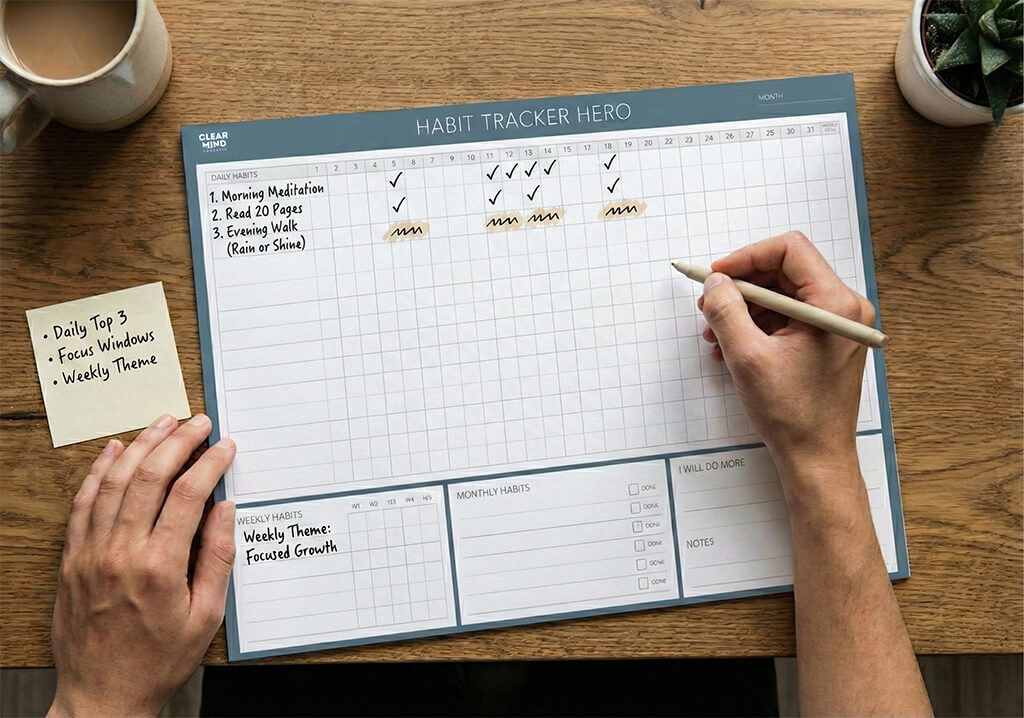
If you’d like a simple place to capture your daily top three, weekly theme, and progress over time, our daily planners, weekly planners, and habit tracker layouts can make the habits easier to stick with without adding pressure.