Finding a planning method that feels right can be a challenge, especially if you dislike rigid schedules. In this article we compare flexible planning with strict scheduling, explain when each style shines, and share easy steps to blend the two. By the end you’ll have a clearer sense of which approach, or mix, matches your everyday workflow.
This article is part of our flexible planning series. For the full overview, see our guide to building a flexible planning system.
Contents
- Understanding the core differences
- Why flexibility can feel safer
- When strict schedules add value
- Assessing your personal work style
- Practical tips for a balanced approach
- Common pitfalls and how to avoid them
- FAQ
Understanding the core differences
Flexible planning is about creating a loose framework that can shift as priorities change. You might set a weekly theme, list a handful of tasks, and leave room for spontaneous work. The goal is to reduce pressure while still giving you direction.
Strict scheduling, on the other hand, locks activities into specific time blocks. A calendar entry says exactly when you will start and finish a task, leaving little wiggle room. This can help you see a clear path forward and avoid the “what should I do next?” loop.
- Flexible planning: adaptable, low pressure, encourages creativity.
- Strict scheduling: defined timelines, strong accountability, useful for deadline driven work.
Why flexibility can feel safer
When you know a plan can bend, the fear of falling behind often recedes. You feel free to move tasks around without judging yourself for “breaking” a schedule. Many people notice that this reduces overwhelm and makes it easier to start a task.
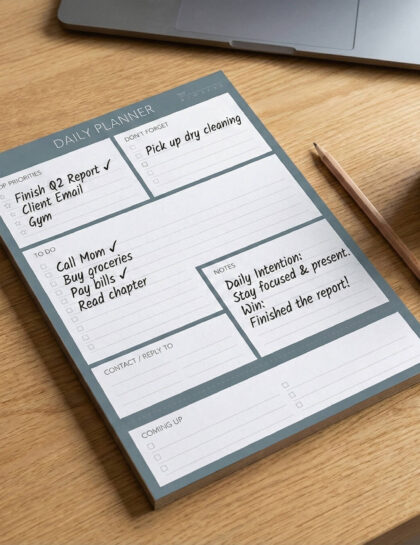
For example: Tomorrow you write down three top priority items on a sticky note, “email client, draft outline, 15 minute walk”, and simply tick them off when you find a moment. No hour by hour timetable, just a gentle guide that keeps you moving forward.
When strict schedules add value
Some tasks thrive on clear deadlines. A report due Friday, a meeting that starts at 10am, or a workout session you want to protect from other demands benefit from a fixed slot. The certainty of a set time can push you to finish, especially when the work is less enjoyable.
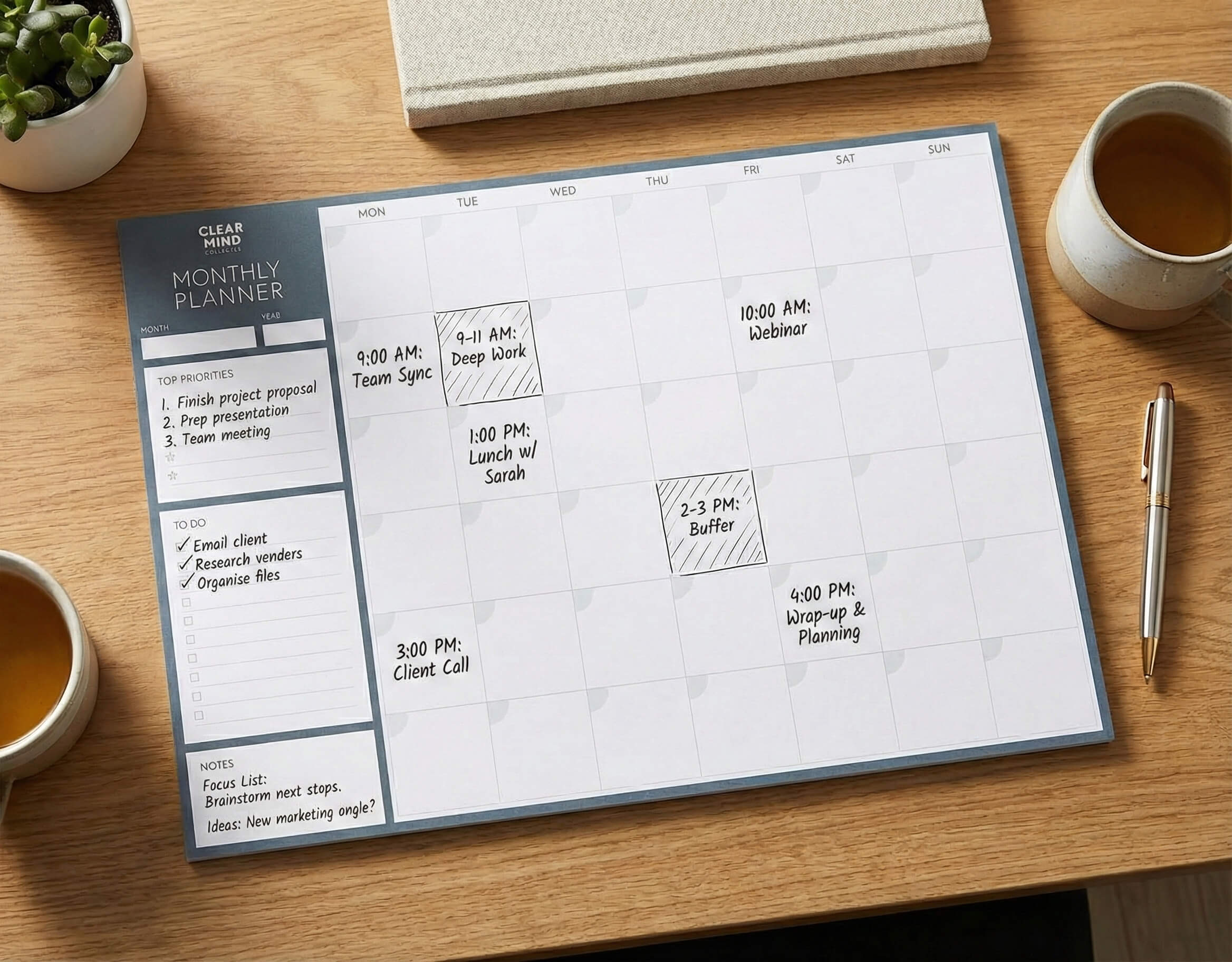
For example: You block 9am to 11am on Tuesday for “write quarterly report”. Knowing the window is reserved helps you avoid the temptation to check email or do other chores, and you often finish faster than if you left the work unstructured.
Assessing your personal work style
Before choosing a method, take a moment to reflect on how you naturally operate. Ask yourself simple questions and note the answers. This self audit can reveal whether you lean toward flexibility or strict scheduling, or sit somewhere in the middle.
- Do I feel anxious when a time slot is empty?
- Do I lose momentum if I don’t have a set start time?
- How often do unexpected tasks interrupt my day?
- Do I prefer visual cues, like a list, or time blocks?
Answering these questions can guide you toward a planning style that feels more comfortable, reducing the mental friction that often stalls progress.
Practical tips for a balanced approach
Most people benefit from a hybrid system that captures the best of both worlds. Below are easy steps you can try this week.
- Start each day with a short focus list of three to five items you want to complete.
- Reserve one or two fixed blocks for high priority work that needs deep concentration.
- Leave a flexible buffer of 30 to 60 minutes for ad hoc tasks or breaks.
- Review your list at midday and move unfinished items to the next day’s buffer.
- Use a simple tool to visualise both lists and blocks without overwhelming detail.
These habits keep structure present while still allowing you to adapt when life throws a curveball.
Common pitfalls and how to avoid them
Even a well designed system can stumble if you fall into familiar traps. Recognising the pitfalls early helps you stay steady.
- Over planning: filling every hour with tasks leads to frustration when something unexpected arises. Keep a few open slots.
- Under commitment: listing too few items makes the day feel aimless. Aim for three to five core tasks.
- Rigid adherence: refusing to move a block when needed creates stress. Treat time blocks as guides, not cages.
- Neglecting review: skipping the end of day check means you never learn what worked.
With small adjustments, you can maintain consistency without feeling trapped.
Key takeaways
- Flexible planning reduces pressure by allowing tasks to shift as needed.
- Strict scheduling creates clear timelines that help finish time sensitive work.
- Assess your natural work habits with simple questions before choosing a method.
- Combine a short daily focus list with a few fixed time blocks.
- Leave buffer periods to handle unexpected tasks and breaks.
- Avoid over planning and under commitment to keep momentum.
FAQ
Can I switch between flexible planning and strict scheduling depending on the project?
Yes. Many people use a flexible list for creative work and a stricter timetable for deadline driven projects. The key is to be intentional about which method you apply and to review the switch regularly.
How much structure is too much for someone who dislikes rigid schedules?
If you notice anxiety about every minute being booked, you probably have too much structure. Aim for one or two fixed blocks each day and keep the rest as open, movable tasks. This balance often feels less restrictive while still providing direction.
What simple tool can I use to start a hybrid planning system?
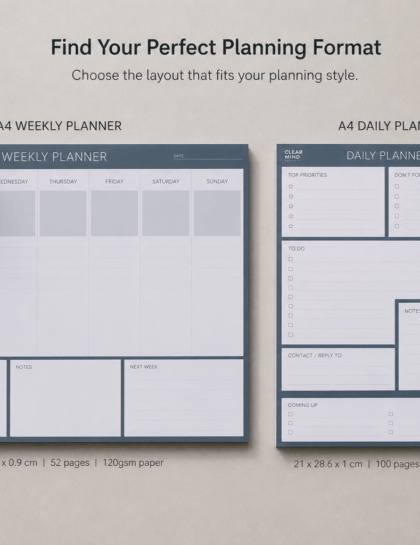
Daily planners work well for short focus lists, weekly planners help you organise time blocks and priorities across the week, and monthly planners support longer term planning and themes. If you’d like a calm starting point, explore our planners and choose the format that feels easiest to maintain.
Conclusion
Both flexible planning and strict scheduling have their place. By understanding the core differences, reflecting on your personal work style, and applying a few practical tips, you can create a planning system that feels both free and reliable. The goal isn’t to choose one extreme, but to blend the strengths of each so your days flow with less friction.
Take a moment this week to test one new habit, perhaps a daily focus list or a single fixed block, and notice how it changes your sense of control. Adjust as needed and you’ll gradually find a rhythm that supports real world results without the stress of a rigid schedule.
If you’d like a gentle way to begin, our daily, weekly, and monthly planners can help you capture flexible lists and add structure where it helps, without adding pressure.