If you have ever opened a planner with good intentions and quietly stopped using it a week later, this approach is for you. Many people want structure without feeling boxed in. Flexible planning offers a calmer way to organise your time, reduce mental load, and still make steady progress.
This guide gives you an overview of flexible planning as a system. Over time, you can add links to deeper guides on specific methods, so you can explore what fits your life rather than forcing a rigid routine.
In this article
- What a flexible planning system is
- Why rigid schedules feel restrictive
- The core principles behind flexible planning
- Common flexible planning methods
- Step by step guide to getting started
- Tools that support adaptability
- Common mistakes to avoid
- Keeping the system working long term
- FAQ
What is a flexible planning system?
A flexible planning system focuses on intentions instead of exact clock times. Rather than assigning every task to a fixed hour, you decide what matters most and allow timing to adapt to your energy, priorities, and real life interruptions.
This approach works especially well for people who struggle with strict schedules, time blocking, or productivity systems that feel controlling. Flexible planning still provides structure, but without the pressure of following a perfect plan.
Why rigid schedules feel restrictive
Highly detailed schedules can create pressure. When every hour is preassigned, any delay can feel like failure. For many people, this increases cognitive load and leads to avoidance rather than productivity.
Life is rarely predictable. Meetings overrun, energy dips, and unexpected tasks appear. Flexible planning accepts this reality. By building in buffer time and optional slots, you can move tasks without guilt instead of constantly falling behind.
This reaction is not a lack of discipline. It is often a psychological response to overly strict rules, which is why flexibility tends to feel more sustainable over time. If you want to understand the mental patterns behind this response, read our guide on the psychology of flexible planning.
If you are still unsure which style fits you best, our comparison of flexible planning vs strict scheduling can help you decide.
The core principles of flexible planning
A flexible system stays effective because it rests on a few simple ideas.
- Intent over exact time. Focus on what needs attention rather than when it must start.
- Built in buffer. Leave space between tasks to absorb overruns or changing priorities.
- Regular review loops. Short check ins replace rigid control and help you adjust calmly.
These principles support realistic planning and reduce the friction that often comes with strict time blocking. If emails regularly spill over, for example, you simply shift them into a buffer slot the next day instead of forcing them into an already full schedule.
Common flexible planning methods
Flexible planning is not one single method. It is a group of approaches you can combine depending on your needs.
Planning your week without time blocking
Instead of assigning tasks to specific hours, you plan by focus areas or themes and decide timing later. This works well for variable schedules and changing energy levels.
Combining digital and paper planning
Many people use digital calendars only for fixed commitments and rely on paper planners for flexible tasks. This reduces decision fatigue and keeps planning visible.
Habit tracking within flexible systems
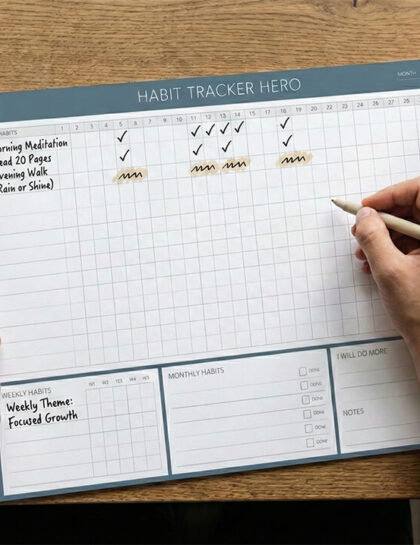
Habits work best when they support your rhythm rather than compete with your schedule. Flexible habit tracking focuses on consistency over perfection, so progress still counts even when a week changes shape.
If you want to build out this pillar over time, you can later add dedicated guides for each method and link them from this section.
Step by step guide to getting started
If you want a simple entry point, start here.
- Identify your main areas. Write down the categories that matter most, such as work, health, family, or learning.
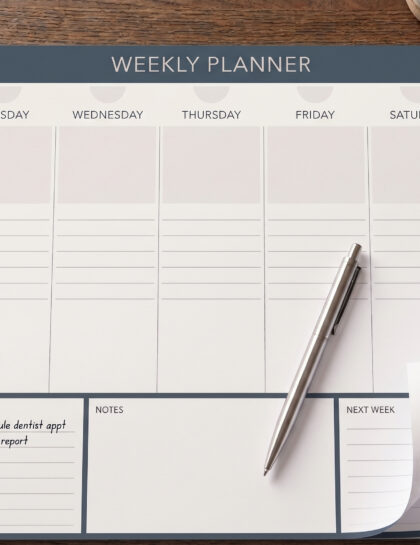
- Create a weekly overview. Use a weekly planner or wall calendar to block broad zones for each area. If you prefer working without fixed hourly blocks, you can follow this guide on how to plan your week without time blocking.
- Set daily intentions. Each morning, choose two or three priorities that align with your weekly focus. If you want a deeper guide, read our daily intention setting routine for calm productivity.
- Add buffer time. Leave short gaps between tasks so changes do not derail your day.
- Review briefly. At the end of the day or week, note what moved and what stayed.
This is a framework, not a rule set. Adjust it until it feels supportive rather than restrictive.

This is a framework, not a rule set. Adjust it until it feels supportive rather than restrictive.
Tools that support flexible planning
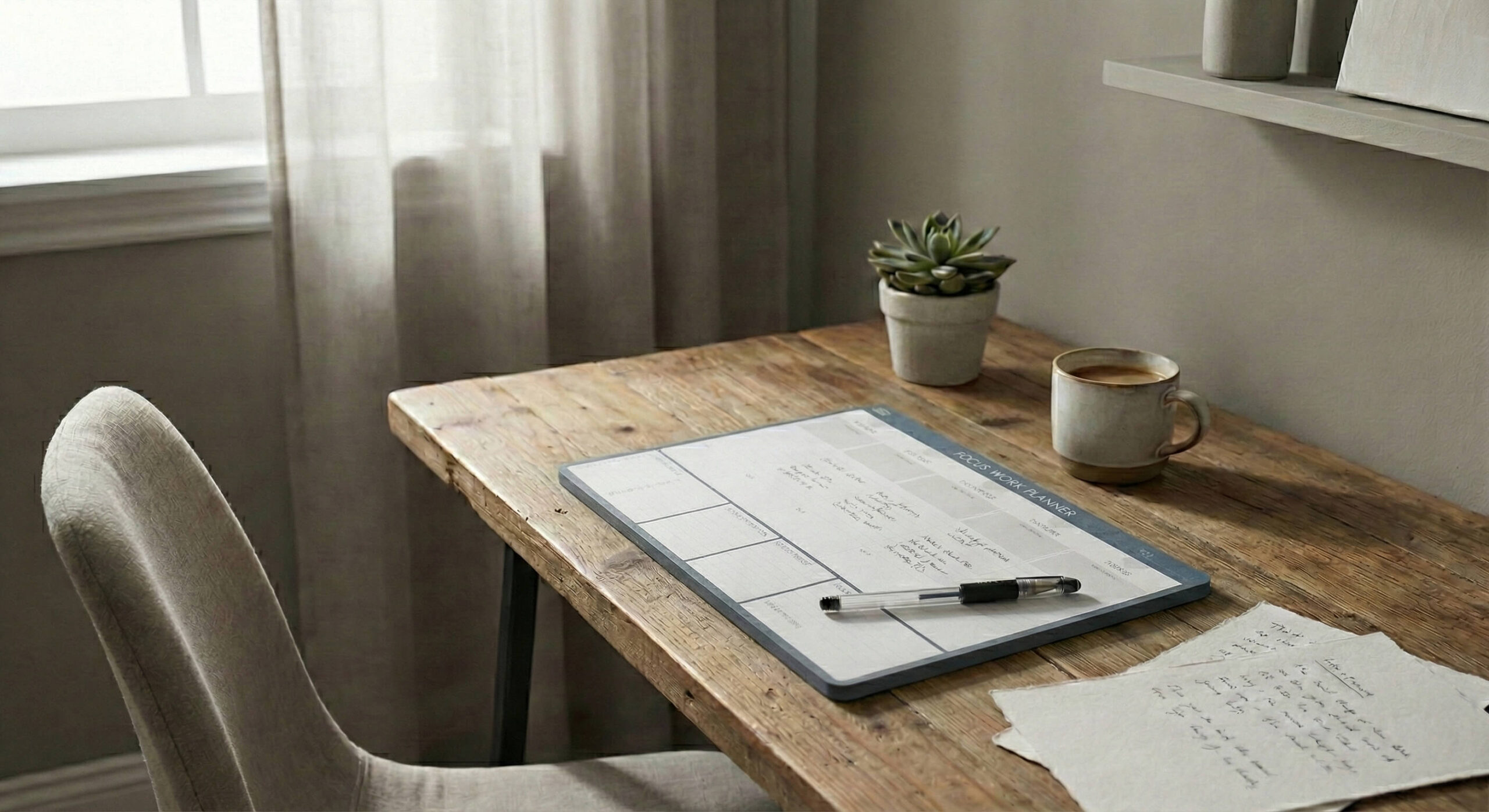
You do not need complex software to plan flexibly. Simple physical tools often work better because they reduce digital noise and keep your intentions visible.
Weekly planners provide a clear overview of focus areas and support task batching. Desk pads are ideal for daily priorities and quick notes, especially when paired with short reviews.
You might explore our weekly planners for broad planning or our daily desk pads for daily focus. These tools are designed to support adaptability rather than enforce strict routines.
Common mistakes to avoid
Flexible planning still benefits from a few guardrails.
Common issues include:
- Trying to plan too much
- Skipping review loops entirely
- Using flexibility as avoidance rather than adjustment
These patterns are easy to correct once you notice them. A good flexible plan should feel like guidance, not pressure.
Keeping the system alive without stress
A planning system works best when it evolves. Treat it as a habit, not a fixed method.
Set aside five minutes at the end of each week to review what you wrote. Notice where buffer time helped, where intentions felt unclear, and where your energy was highest. Make small adjustments rather than starting from scratch.
The aim is not perfect organisation. It is a steady rhythm that supports your day instead of controlling it.
Key takeaways
- Flexible planning prioritises intent over strict timing
- Buffers reduce stress when plans change
- Weekly overviews create clarity without rigidity
- Simple physical tools support focus and reflection
- Regular reviews keep the system realistic
FAQ
Can I combine digital calendars with flexible planning?
Yes. Use digital calendars for fixed appointments only, and keep flexible tasks on paper. This reduces decision fatigue while protecting freedom.
What if I forget to review my plan?
Missing a review occasionally is normal. Treat reviews as guidance, not rules. Simply note changes the next day and continue.
How many tasks should I plan per day?
Most people find two to three priority tasks realistic. Short lists increase follow through and reduce overwhelm.
Conclusion
A flexible planning system gives you structure without pressure. By focusing on intentions, allowing buffer time, and reviewing gently, you create a way of planning that adapts to real life.
Start with one small change this week, such as a weekly overview or a short review. Over time, these small adjustments build a planning habit that works with you rather than against you.
If you want a simple companion, our planners and desk pads are designed for low pressure workflows. They are optional tools, not rules, meant to support experimentation and ease.